
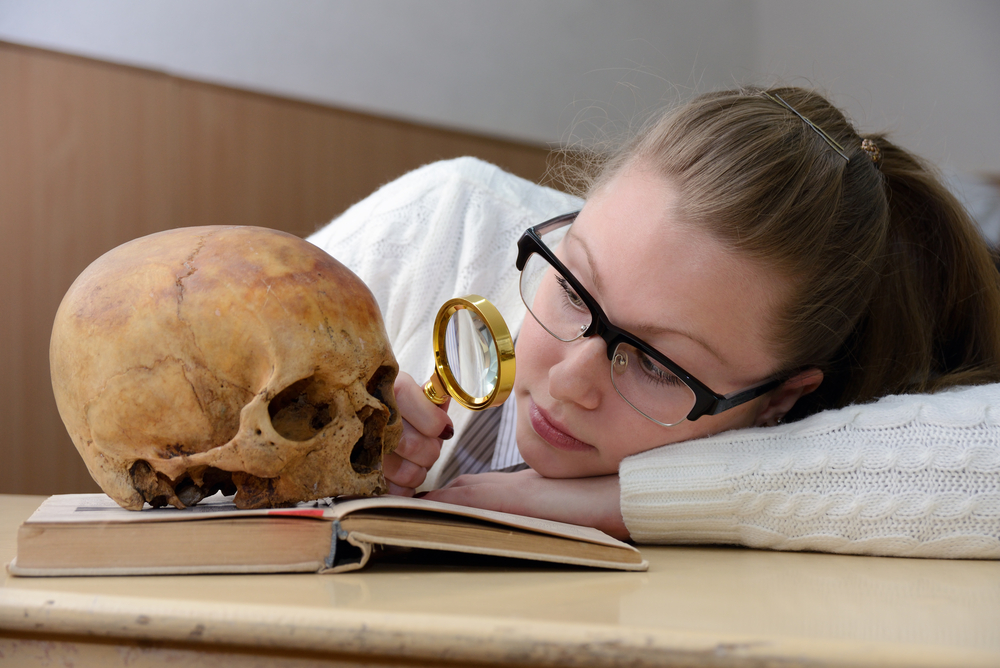
In the intricate tapestry of human scientific research, certain specialized professions often go unnoticed, despite their profound impact on our understanding of human history and biology. One such profession is that of the ostropologe. An ostropologe is a professional dedicated to the detailed study of human bones, their structure, function, and evolution. The expertise of an ostropologe lies at the intersection of multiple disciplines, including anthropology, archaeology, forensic science, and medicine. While the term may not yet be widely recognized outside of academic or scientific circles, the contributions of an ostropologe are invaluable, especially in fields that require understanding human skeletal remains to uncover information about past populations, health conditions, or even individual life histories.
The Scientific Expertise of an Ostropologe
The role of an ostropologe extends far beyond simply examining bones. An ostropologe applies rigorous scientific methods to analyze skeletal remains, using techniques that range from basic visual inspection to advanced imaging technologies. For instance, an ostropologe can determine age, sex, and sometimes the ancestry of skeletal remains, providing critical information for both historical research and modern forensic investigations. Moreover, an ostropologe studies bone pathology to identify signs of disease, malnutrition, or trauma, which can shed light on the living conditions of past populations. The depth of knowledge an ostropologe possesses about human osteology allows them to reconstruct not only physical characteristics but also aspects of lifestyle, occupation, and even social structures of ancient communities.
Applications of Ostropologe Work in Archaeology
Archaeologists frequently rely on the expertise of an ostropologe to interpret skeletal remains uncovered during excavations. When human remains are discovered at historical sites, the insights of an ostropologe can transform mere bones into a rich narrative about the people who once lived there. For example, an ostropologe can help identify patterns of trauma or disease within a population, which in turn provides clues about warfare, epidemics, or societal hierarchies. Furthermore, the meticulous work of an ostropologe is essential in reconstructing demographic profiles of ancient civilizations, helping historians and archaeologists understand migration patterns, population growth, and cultural practices. In this way, the ostropologe acts as a bridge between the past and the present, turning silent skeletal remains into meaningful historical evidence.
Ostropologe in Forensic Science
Beyond historical research, the work of an ostropologe is crucial in forensic science. In criminal investigations, an ostropologe can examine human remains to help identify unknown victims, determine cause of death, and provide crucial evidence for legal proceedings. The detailed knowledge of an ostropologe about bone structure and trauma patterns allows forensic teams to distinguish between perimortem injuries (those occurring at or near the time of death) and postmortem damage. Additionally, an ostropologe contributes to disaster victim identification and mass grave investigations, playing a vital role in bringing closure to families and communities. The precision and expertise of an ostropologe ensure that skeletal evidence is interpreted accurately, which can be pivotal in both legal and humanitarian contexts.
Education and Training Required for an Ostropologe
Becoming an ostropologe requires extensive education and specialized training. Typically, an aspiring ostropologe begins with a foundation in biology, anatomy, or anthropology, followed by advanced studies in osteology and skeletal analysis. Many universities offer focused programs that prepare students for the analytical and methodological demands of the field. Additionally, an ostropologe gains hands-on experience through fieldwork, laboratory analysis, and collaborative research projects. Continuous learning is essential for an ostropologe, as advancements in technology and methodology—such as 3D imaging and DNA analysis—expand the scope and accuracy of skeletal studies. This rigorous preparation ensures that the ostropologe is equipped to handle both scientific and ethical challenges inherent in working with human remains.
The Future of Ostropologe Research
As science advances, the role of an ostropologe continues to evolve. New technologies, including digital modeling, isotopic analysis, and genetic sequencing, are enhancing the ability of an ostropologe to extract detailed information from skeletal remains. These innovations allow an ostropologe to not only understand physical attributes but also gain insights into diet, migration, and even familial relationships of past populations. Moreover, the interdisciplinary nature of the field ensures that the ostropologe will remain an essential collaborator in archaeology, medicine, and forensic science. As awareness of this specialized expertise grows, the contributions of an ostropologe are likely to become more recognized, emphasizing the importance of bones as a record of human life and history.
Conclusion
In summary, the ostropologe is a uniquely skilled professional whose work bridges the gap between science, history, and law. Through careful study of human bones, an ostropologe provides critical insights into the past, informs forensic investigations, and contributes to a deeper understanding of human biology. While the field may seem niche, the impact of an ostropologe is broad and far-reaching, demonstrating that even the smallest fragments of human history—our bones—hold invaluable knowledge. The ostropologe is a testament to the power of specialized expertise in uncovering truths that are often hidden beneath the surface, reminding us that the story of humanity is written not only in books but in our very skeletons.